The Ultimate Guide to Microscopes: From Light and Digital to Scanning Electron Microscopes (UK Price Guide 2026)
A practical UK buyer's guide covering every type of magnification instrument — from pocket-sized digital units for kids to industrial scanning electron systems. Includes current pricing, brand comparisons, and labelled diagrams.
What Are Microscopes and Why Do They Matter?
Microscopes are optical or electronic instruments that magnify objects too small for the naked eye. Simple as that. Whether you're a Year 7 student peering at onion cells or a materials scientist examining nanoscale fractures in aerospace alloys, the principle hasn't changed much since the 1600s — bend light (or electrons) to reveal what's hidden.
I work in care, not a lab. But I've always been fascinated by the hidden architecture of everyday things. A few years back, I picked up a pocket digital magnifier to examine fabric weaves on old textiles at a charity shop near my place on Madrid Street in East Belfast. That small purchase opened up a world I didn't know existed. Pollen grains, paper fibres, the crystalline structure of table salt — all suddenly visible.
The UK market for magnification instruments has shifted dramatically this spring. Budget digital units now offer 4K sensors for under £35, while research-grade compound systems from brands like Brunel sit between £300 and £2,000. At the industrial end, scanning electron systems still command six-figure sums. So where do you start?
A Brief History: When Was the Electron Microscope Invented?
The electron microscope was invented in 1931 by Ernst Ruska and Max Knoll in Berlin. Their prototype achieved 400× magnification — modest by today's standards, but it proved electrons could form images with far greater resolving power than visible light.
Key Milestones
Zacharias Janssen is credited with building the first compound optical instrument around 1590. Antonie van Leeuwenhoek refined single-lens designs in the 1670s, achieving roughly 270× magnification. Then came the big leap.
By 1938, Ruska's team had pushed electron magnification past 10,000×. The first commercial transmission electron model (TEM) hit the market in 1939, built by Siemens. The scanning electron microscope (SEM) followed in 1965, developed by Cambridge Instruments — a British company, as it happens.
Types of Microscopes Compared: Which Do You Actually Need?
There are over a dozen distinct types of magnification instrument available in the UK today. Most buyers only need to understand five categories. Here's how they stack up:
| Type | Max Magnification | Resolution | Typical UK Price Range | Best For |
|---|---|---|---|---|
| Simple (single lens) | 10×–30× | ~10 µm | £5–£25 | Young children, field use |
| Compound (light) | 40×–1,600× | ~0.2 µm | £80–£2,500 | Education, biology labs |
| Stereo (dissecting) | 7×–90× | ~5 µm | £150–£3,000 | Electronics repair, entomology |
| Digital (USB/handheld) | 50×–1,000× (digital zoom) | Sensor-dependent | £20–£500 | Hobbyists, QC inspection, kids |
| SEM (Scanning Electron) | 10×–1,000,000× | ~1 nm | £80,000–£1,000,000+ | Materials science, forensics |
| TEM (Transmission Electron) | Up to 50,000,000× | ~0.05 nm | £500,000–£5,000,000+ | Nanotechnology, virology |
Is the extra spend on a compound over a digital worth it? Depends entirely on your use case. For biological specimens requiring thin-section work, yes — absolutely. For surface inspection of coins, PCBs, or fabric? A decent digital unit at £34 does the job brilliantly.
Parts of a Microscope: Labelled Diagram for Students

Every compound light instrument shares the same core anatomy. If you're a teacher, parent, or GCSE student, here's what you need to know — broken down plainly.
Optical Components
- Eyepiece (ocular lens): Typically 10× magnification. You look through this.
- Objective lenses: Usually 3–4 mounted on a rotating nosepiece. Common powers: 4×, 10×, 40×, 100× (oil immersion).
- Condenser: Focuses light onto the specimen. Found below the stage.
Mechanical Components
- Stage: Flat platform where the slide sits. Includes clips or a mechanical stage for precise movement.
- Coarse focus knob: Large knob for rough focusing. Moves the stage (or body tube) up/down by ~2mm per rotation.
- Fine focus knob: Smaller knob for sharp focusing. Movement of ~0.1mm per rotation.
- Arm and base: Structural support. Always carry the instrument by the arm — never the eyepiece.
I remember struggling with this at school. The diagram in our textbook was tiny and unlabelled on one side. Honestly, the best way to learn is hands-on — get a budget compound model, prepare a cheek cell slide, and work through each component physically. It sticks far better than staring at a flat image on a worksheet.
Digital and Handheld Microscopes for Kids and Hobbyists
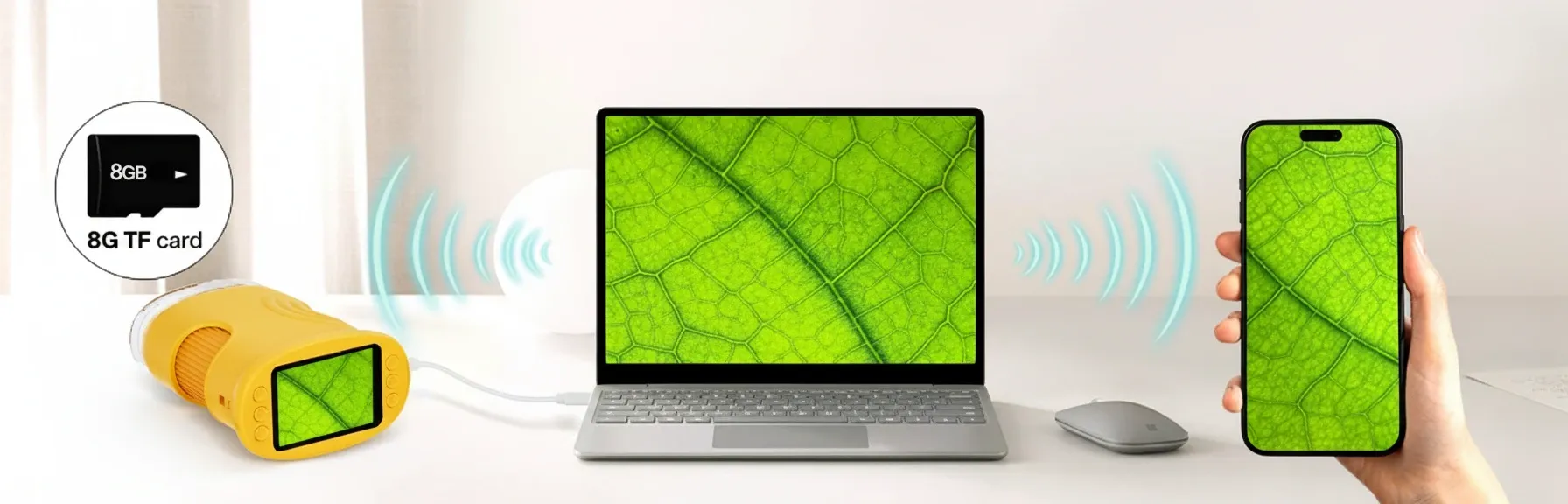
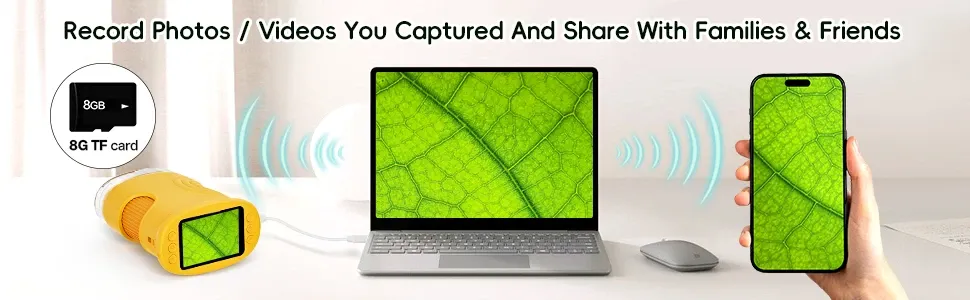
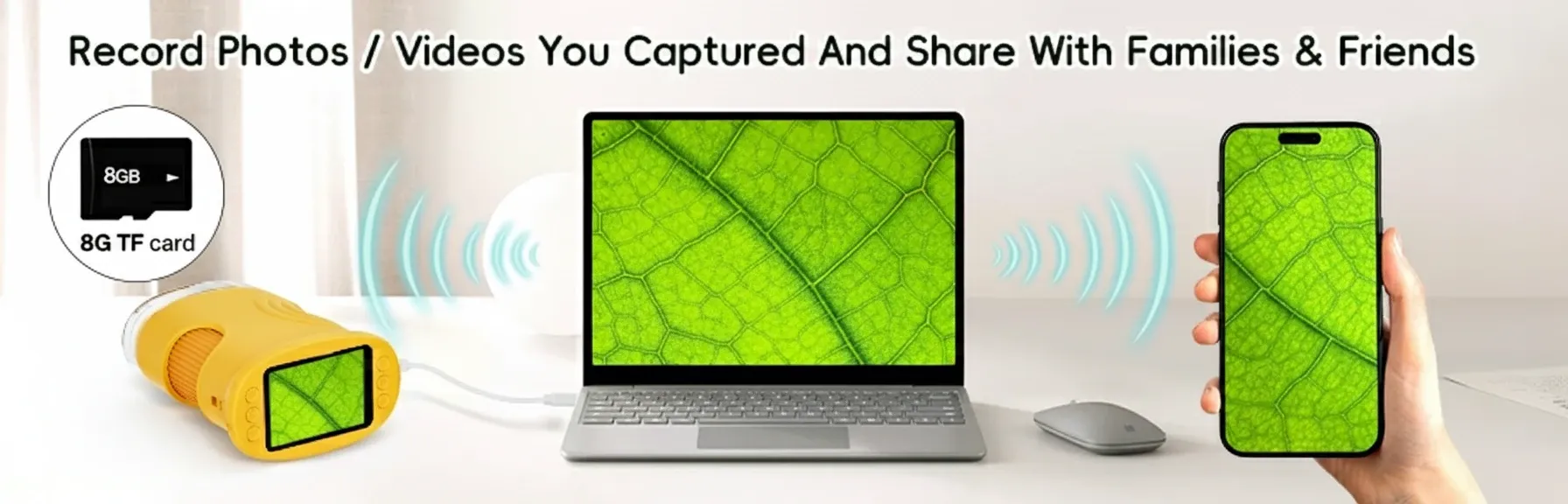
Digital magnification instruments have transformed the entry-level market. No slides, no staining, no fiddly alignment — just point, focus, and view on a built-in screen or connected device., a favourite among Britain’s tradespeople
The Bebanghan Handheld Digital Microscope
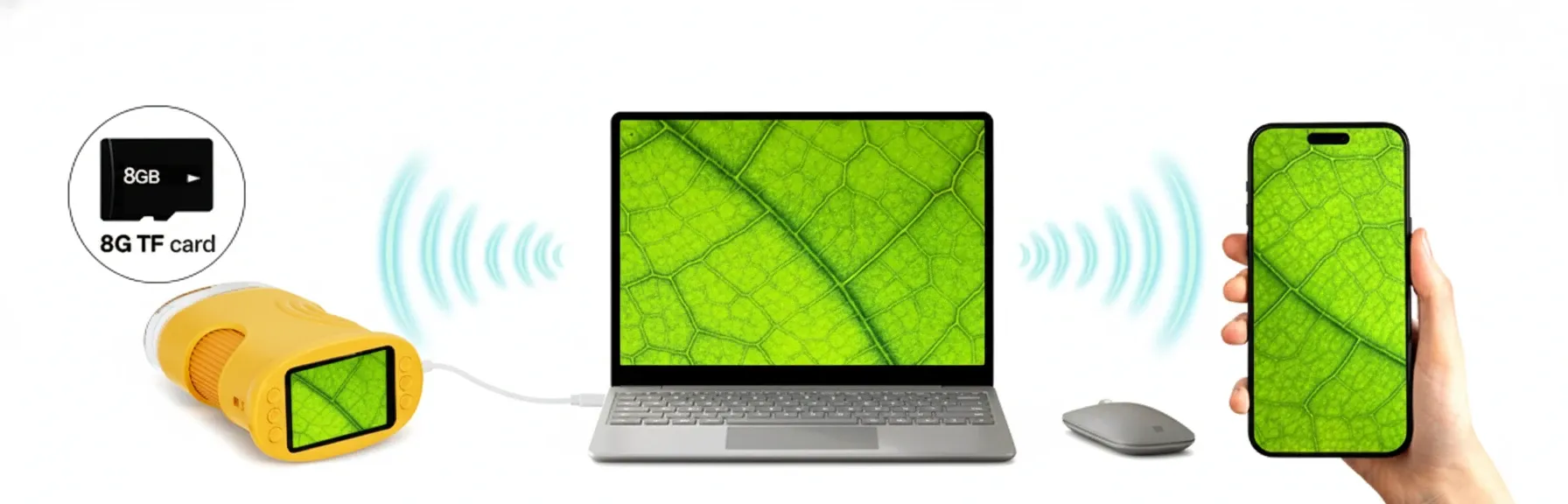
At £33.99, the Bebanghan handheld digital microscope is a cracking option for children, coin collectors, and anyone wanting quick surface magnification. It packs a 4K imaging sensor and a 2.0-inch LCD screen into a portable unit that fits in a coat pocket.
I've used one of these myself. The image quality surprised me — sharp enough to see individual fibres in a £5 note and the facets on a grain of sugar. For £34, that's proper bang for your buck.
Compare that to similar units on Amazon UK, which range from £18 for basic 720p models to £89 for WiFi-enabled versions. The sweet spot for quality versus cost sits right around that £30–£40 mark. Below that, you're getting blurry images and flimsy build quality. Above it, you're paying for features most hobbyists won't use.
Who Should Buy a Digital Handheld?
Kids aged 5–12 who want to explore nature. Coin and stamp collectors checking for forgeries or grading wear. Electronics hobbyists inspecting solder joints. Textile workers examining weave patterns. And — genuinely — anyone curious enough to look closer at the world around them.
For more options in this category, browse the full digital range at Bebanghan.
Industrial Applications: SEM and TEM Systems in the UK
Scanning electron microscopes (SEMs) use a focused beam of electrons rather than light. The result? Resolution down to approximately 1 nanometre — roughly 200 times sharper than the best optical systems.
How SEM Works
An electron gun fires a beam at the sample surface. Detectors capture secondary electrons, backscattered electrons, or X-rays emitted from the specimen. The signals build a 3D-like surface image with extraordinary depth of field. Samples typically need to be conductive — non-metals get coated in a thin gold or carbon layer first.
UK Industrial Use Cases
Failure analysis in aerospace manufacturing. Quality control in semiconductor fabrication. Forensic examination of tool marks and gunshot residue. Geological survey of mineral samples. Pharmaceutical particle size analysis. The list is long.
UK labs purchasing SEM equipment must comply with radiation safety standards. The Health and Safety Executive (HSE) provides guidance on safe operation of electron beam instruments in workplace settings, particularly regarding X-ray emissions from high-voltage electron guns.
Quality management for SEM calibration and measurement traceability falls under ISO 16700:2016. The British Standards Institution (BSI) publishes the UK-adopted version of this standard for laboratories seeking UKAS accreditation.
TEM: The Ultimate Resolution
Transmission electron systems push resolution to 0.05 nm — enough to image individual atoms. They're used in virology (those COVID-19 spike protein images that did the rounds in 2020 came from TEM labs), nanotechnology research, and advanced materials development. A new TEM installation in 2026 costs between £500,000 and £5 million, depending on configuration. Not exactly impulse-buy territory., popular across England
UK Price Guide 2026: What Microscopes Actually Cost
Prices vary enormously depending on type, brand, and intended application. Here's what you'll pay in the UK market as of June 2026:
| Category | Example Brand/Model | UK Price (inc. VAT) | Notes |
|---|---|---|---|
| Handheld digital (kids) | Bebanghan 4K Handheld | £33.99 | Built-in LCD, portable |
| Budget compound (education) | Brunel SP30 | £139 | LED illumination, 400× max |
| Mid-range compound | Brunel SP150 | £449 | Binocular, mechanical stage |
| Research-grade trinocular | Brunel BMS300 | £1,295 | Plan objectives, camera port |
| Stereo (inspection) | Various | £200–£3,500 | Depends on zoom range |
| Desktop SEM | Phenom/Hitachi TM series | £80,000–£150,000 | Compact, no dedicated room needed |
| Full-size SEM | JEOL/Zeiss/FEI | £250,000–£1,000,000 | Requires vibration-isolated room |
Brunel Microscopes, based in Chippenham, Wiltshire, remain one of the UK's most respected specialist retailers. Their entry-level educational models offer solid optics at fair prices. That said, for casual use and gift-buying, a digital unit from Bebanghan at £33.99 gives you instant results without any slide preparation.
So what's the catch with budget digital models? Optical purists will point out that digital zoom isn't true magnification — it's interpolation. Fair point. But for surface inspection, identification tasks, and sparking a child's curiosity, it's more than adequate. And you won't cry if a seven-year-old drops it.
Frequently Asked Questions
What is the best microscope for a child in the UK?
A handheld digital model is ideal for children aged 5–12. The bebanghan 4K handheld at £33.99 offers a built-in 2.0-inch screen, requires no slide preparation, and weighs only 120g. It's durable enough for young hands and delivers instant visual results that keep kids engaged far longer than traditional compound instruments.
When was the electron microscope invented?
The electron microscope was invented in 1931 by Ernst Ruska and Max Knoll at the Technical University of Berlin. Their prototype achieved 400× magnification using electron beams instead of light. The first commercial model was produced by Siemens in 1939, and the scanning electron variant followed in 1965 from Cambridge Instruments in the UK.
How much does a scanning electron microscope cost in the UK?
In 2026, a desktop SEM costs between £80,000 and £150,000 in the UK. Full-size floor-standing models from manufacturers like JEOL, Zeiss, or Thermo Fisher range from £250,000 to over £1,000,000. Annual maintenance contracts typically add 8–12% of the purchase price. Refurbished units occasionally appear for £40,000–£60,000.
What's the difference between a digital and optical microscope?
An optical (light) instrument uses glass lenses to magnify specimens, achieving true optical resolution of approximately 0.2 µm. A digital model uses a camera sensor and digital processing to enlarge images on a screen. Digital units are easier to use and share images from, but optical systems provide superior resolution for scientific work requiring thin-section analysis.
Are Brunel Microscopes good quality?
Brunel Microscopes are a well-regarded UK retailer based in Chippenham, Wiltshire, operating since 1986. Their own-brand instruments offer solid optical quality at competitive prices, particularly in the £139–£1,295 educational and research range. They provide UK-based technical support and typically hold stock for next-day dispatch, which is a genuine advantage over imported alternatives.
What magnification do I need to see bacteria?
You need at least 400× magnification to see most bacteria, and 1,000× with oil immersion for clear detail. Bacteria typically measure 0.5–5 µm in length. A compound light instrument with a 100× oil-immersion objective and 10× eyepiece provides the necessary 1,000× total magnification. Digital handheld units cannot resolve bacteria due to sensor limitations.
Key Takeaways
- Budget digital models like the Bebanghan 4K handheld (£33.99) are the best entry point for children, hobbyists, and casual inspection tasks in 2026.
- Compound light instruments remain essential for biological science — they achieve true optical resolution of 0.2 µm, which digital sensors can't match.
- The electron microscope was invented in 1931, with the first commercial SEM built in Cambridge, UK in 1965.
- UK SEM prices start at approximately £80,000 for desktop models, rising to £1 million+ for full research configurations.
- Total magnification = eyepiece × objective — a fundamental formula every student needs to know for GCSE Biology.
- For surface inspection tasks (coins, PCBs, textiles, insects), a handheld digital unit outperforms compound instruments in convenience and cost.
- Always check HSE guidance before operating electron beam equipment in UK workplace settings due to X-ray emission risks.
Ready to try Bebanghan?
Shop Now — £32.00