
Choosing the Best Stereo Microscope: A Practical Guide for UK Professionals and Hobbyists in 2026
A hands-on buyer's guide covering magnification ranges, optical quality, and real-world applications — from electronics repair benches in Belfast to jewellery workshops across the UK.
What Is a Stereo Microscope and Who Needs One?
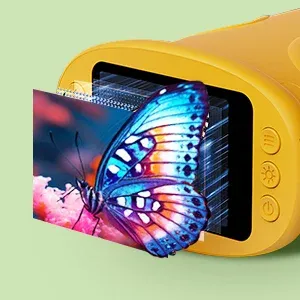
A stereo microscope provides three-dimensional viewing of objects at low-to-medium magnification, typically between 7x and 90x. Unlike compound microscopes that use transmitted light for thin specimens, these instruments use reflected light to examine solid objects — circuit boards, gemstones, biological samples, coins, you name it.
I've spent years observing tiny details in my day-to-day life. Working in care, you'd be surprised how often close inspection matters — wound assessment, medication identification, even checking skin conditions. That curiosity about the small and hidden led me down the microscopy rabbit hole years ago. Now I can't imagine my workbench at home on Madrid Street without one.
So who actually needs a binocular inspection scope? The list is longer than you'd think:
- Electronics repair technicians soldering SMD components as small as 0201 (0.6mm × 0.3mm)
- Jewellers and watchmakers examining hallmarks and setting stones
- Entomologists and botanists in university labs
- Quality control inspectors in UK manufacturing
- Hobbyist collectors examining coins, stamps, and minerals
- Dental technicians crafting prosthetics
The UK market has shifted noticeably this spring. More hobbyists are entering microscopy through digital handheld devices before upgrading to proper optical systems. That's a decent pathway, honestly.
Key Specifications for Choosing a Stereo Microscope
The spec sheet on any dual-eyepiece scope can look intimidating. Here's what genuinely affects your daily use.
Magnification Range
Most stereo viewing systems offer between 10x and 80x total magnification. The total magnification equals eyepiece power multiplied by objective power. A 10x eyepiece paired with a 2x objective gives you 20x. Simple enough.
But here's what catches people out — higher magnification isn't always better. At 80x, your field of view shrinks to roughly 3mm. Try soldering at that level. You can't. For most bench work, 20x to 45x is the sweet spot.
Working Distance
This is the gap between the bottom of the objective lens and your specimen. For electronics work, you need at least 100mm to fit soldering irons and tools underneath. Jewellers can work with 80-90mm. Lab work varies wildly.
Optical Quality and Coatings
Look for fully multi-coated optics. This reduces glare and improves light transmission — typically from around 85% to over 95%. Parfocal design means the image stays in focus as you change magnification. Without it, you'll be constantly refocusing. Maddening.
Illumination
LED illumination has become standard in 2026. You want both incident (top) and transmitted (bottom) lighting. Ring lights provide shadow-free illumination for surface inspection. Gooseneck lights offer directional control. The Health and Safety Executive recommends adequate task lighting for precision work — a well-lit microscope setup helps meet those workplace standards., a favourite among Britain’s tradespeople
Magnification Requirements by Application
Matching magnification to your task prevents overspending and frustration. Here's what I've found works in practice.
Electronics and PCB Inspection
For standard through-hole soldering, 10x-20x is plenty. SMD work on 0402 components (1.0mm × 0.5mm) needs 20x-45x. BGA inspection and rework pushes you toward 45x-90x, though many technicians prefer a digital microscope with a screen for that level of detail.
Jewellery and Gemology
Hallmark reading requires 10x-30x. Stone grading and inclusion mapping needs 40x-70x. The Gemological Institute standards reference 10x as the benchmark for clarity grading, but working jewellers tell me they prefer 20x-30x for setting work because the depth of field is more forgiving.
Biological and Laboratory Use
Dissection work sits comfortably at 7x-45x. Botanical specimen preparation rarely exceeds 40x. Entomology — pinning and identification — works brilliantly at 20x-60x. University labs across the UK typically spec trinocular models so students can attach cameras for documentation.
Hobby and Collecting
Coin grading needs 10x-30x. Stamp examination works at 10x-20x. Mineral and fossil inspection benefits from 20x-45x with good incident lighting to reveal crystal structures.
Industry Applications Across the UK
The UK's manufacturing and repair sectors have specific demands that differ from other markets. Compliance matters here.
Medical Device Manufacturing
Facilities producing medical devices must meet BSI standards including ISO 13485 for quality management. Inspection microscopes used in these environments need documented calibration, typically annually, and must provide repeatable magnification accuracy within ±2%.
Electronics Repair Sector
The UK's right-to-repair movement has driven demand for bench-mounted inspection scopes. Independent repair shops — there are over 3,000 across the UK now — need reliable optics that won't drift out of alignment after six months. I've visited a few here in Belfast, and the consensus is clear: spend more on the stand than the head. A wobbly mount ruins everything.
Education and Research
UK universities purchase stereo microscopes in batches of 20-30 for teaching labs. Durability matters enormously here. Students aren't gentle. Metal construction, locked eyepiece settings, and captive stage clips save replacement costs over a 5-year equipment cycle.
Quality Control in Manufacturing
From aerospace component inspection in Derby to textile quality checks in Leicester, UK manufacturers rely on stereoscopic viewing for first-article inspection and defect analysis. The working distance requirement here often exceeds 150mm to accommodate fixtures and jigs., meeting British quality expectations
Digital vs Optical: Which Route Should You Take?
This is the question I get asked most. And honestly? The answer depends entirely on how you work.
Traditional optical stereo microscopes give you true three-dimensional perception through binocular eyepieces. Your brain processes the slightly different angles from each eye and constructs depth. No screen can replicate this. For tasks requiring hand-eye coordination — soldering, dissection, stone setting — optical wins every time.
Digital microscopes display images on screens. They're brilliant for documentation, sharing views with colleagues, and reaching magnifications above 200x without enormous optical assemblies. The bebanghan digital microscope range offers entry points for those exploring this route.
That said, hybrid solutions exist now. Trinocular stereo microscopes accept digital cameras on the third port, giving you optical viewing plus digital capture simultaneously. That's the professional standard in 2026 for anyone needing both capabilities — and once you've used one, going back feels like a step backwards.
For hobbyists and younger users just getting started, a handheld digital microscope at £33.99 offers a low-risk entry point. The bebanghan portable unit features a 4K sensor and 2.0-inch LCD screen — decent for coin collecting, nature study, and basic inspection work before committing to a full optical setup.
Stereo Microscope Comparison for UK Buyers (June 2026)

Here's how the main categories stack up against each other. I've focused on specifications that affect daily usability rather than marketing claims.
| Feature | Entry-Level Optical (£150-£300) | Mid-Range Optical (£300-£800) | Professional Optical (£800-£2,500+) | Digital Handheld (£30-£100) |
|---|---|---|---|---|
| Magnification | 20x-40x fixed | 7x-45x zoom | 7x-90x zoom | 50x-1000x digital |
| Working Distance | 80-100mm | 100-120mm | 100-200mm | 5-30mm |
| Depth Perception | True 3D | True 3D | True 3D | 2D only |
| Image Capture | No (add-on camera possible) | Some trinocular models | Trinocular standard | Built-in |
| Build Quality | Plastic/metal mix | All-metal construction | All-metal, precision bearings | Plastic body |
| Best For | Hobbyists, students | Repair techs, jewellers | Labs, QC, production lines | Collectors, kids, field use |
| Typical Weight | 2-3kg | 4-6kg | 8-15kg | 0.1-0.3kg |
Worth the extra spend on mid-range? Absolutely, if you're using it more than twice a week. The zoom capability alone saves you swapping objectives constantly. That said, entry-level fixed-magnification scopes are spot on for dedicated single-task setups — one magnification, one job, no faffing about.
Budget Considerations and Getting Real Value
Let's talk money. The UK microscope market spans from £30 digital handhelds to £5,000+ research-grade systems. Where should your budget sit?
Under £100: Digital Entry Point
The bebanghan range includes portable digital options starting at £33.99. These aren't stereo microscopes in the traditional sense, but they serve as excellent introduction tools. The 4K sensor and built-in screen mean no computer required. Brilliant for kids, collectors, and anyone testing whether microscopy suits their needs before investing more.
£150-£400: Hobbyist and Light Professional
This bracket gets you a genuine binocular inspection scope with 20x-40x magnification. Expect metal construction, LED illumination, and adequate optics for occasional use. I'd recommend this range for model makers, occasional electronics repair, and educational use., popular across England
£400-£1,000: Serious Professional
Here you'll find 7x-45x continuous zoom, parfocal optics, Barlow lenses for extended working distance, and proper illumination systems. This is where most UK repair shops and small jewellers operate. The optics at this level show noticeably less chromatic aberration at the edges of the field of view.
£1,000+: Laboratory and Production
Research-grade systems with apochromatic correction, motorised zoom, integrated measurement software, and documentation cameras. UK labs purchasing at this level should ensure equipment meets relevant Trading Standards requirements for calibrated measurement instruments.
My honest advice? Buy the best stand and illumination you can afford, then upgrade the optical head later. A rock-solid boom stand with articulating arm costs £200-£400 but transforms any microscope head into a usable workstation. Cheap stands vibrate, drift, and drive you mad.
Frequently Asked Questions

What magnification do I need for electronics soldering?
For standard SMD soldering, 20x-45x magnification with at least 100mm working distance is ideal. Through-hole work needs only 10x-20x. BGA inspection may require 45x-90x, though many technicians prefer digital scopes with screens for that level of detail, as the flat image doesn't cause eye strain during extended sessions.
Is a digital microscope as good as an optical stereo microscope?
They serve different purposes. Optical stereo microscopes provide true 3D depth perception essential for hand-eye coordination tasks like soldering and dissection. Digital units offer higher magnification (up to 1000x+) and built-in image capture but only display 2D images with 50-150ms lag. For manipulation tasks, optical wins; for documentation and inspection-only work, digital is often more practical.
How much should I spend on a stereo microscope in the UK?
For hobbyist use, £150-£300 gets a capable fixed-magnification binocular scope. Professional repair technicians and jewellers should budget £400-£1,000 for continuous zoom models with proper illumination. Laboratory-grade systems with measurement capability start around £1,000 and can exceed £5,000 for research-grade optics with motorised features.
What's the difference between a stereo microscope and a compound microscope?
A stereo microscope uses two separate optical paths angled at 10-12 degrees to create 3D images of solid objects at 7x-90x magnification using reflected light. Compound microscopes use a single optical path with transmitted light to view thin, transparent specimens at 40x-1000x. Stereo scopes have much greater working distance (50-200mm vs 1-2mm) making them suitable for manipulation tasks.
Can I use a stereo microscope for jewellery work?
Yes — stereo microscopes are standard equipment in jewellery workshops. For stone setting and repair, 10x-30x magnification with 80-100mm working distance works well. Gemstone grading follows the 10x standard, but most working jewellers prefer 20x-30x for daily tasks. Look for models with darkfield illumination capability to reveal inclusions in transparent stones.
Do I need a trinocular or binocular stereo microscope?
Choose trinocular if you need to photograph or video your work — the third port accepts cameras without interrupting your viewing. Binocular models cost 15-25% less and suit users who don't require image capture. In 2026, trinocular has become the professional standard because documentation requirements have increased across most UK industries.
Key Takeaways
- Match magnification to task: 20x-45x covers 80% of professional applications including electronics repair, jewellery work, and quality inspection.
- Working distance is critical: Ensure at least 100mm clearance for any task involving tools beneath the objective lens.
- Invest in the stand first: A stable mounting system (£200-£400 for boom arms) matters more than marginal optical improvements.
- Digital handhelds start at £33.99: The bebanghan portable microscope with 4K sensor offers a low-cost entry point for hobbyists and collectors.
- Optical beats digital for manipulation: True 3D depth perception from binocular viewing cannot be replicated on screens — essential for soldering and dissection.
- Budget £400-£1,000 for professional daily use: This range delivers continuous zoom, parfocal design, and build quality that lasts 10+ years.
- Trinocular is the 2026 professional standard: Documentation requirements across UK industries make the third camera port worth the 15-25% premium.
Ready to try Bebanghan?
Shop Now — £32.00